

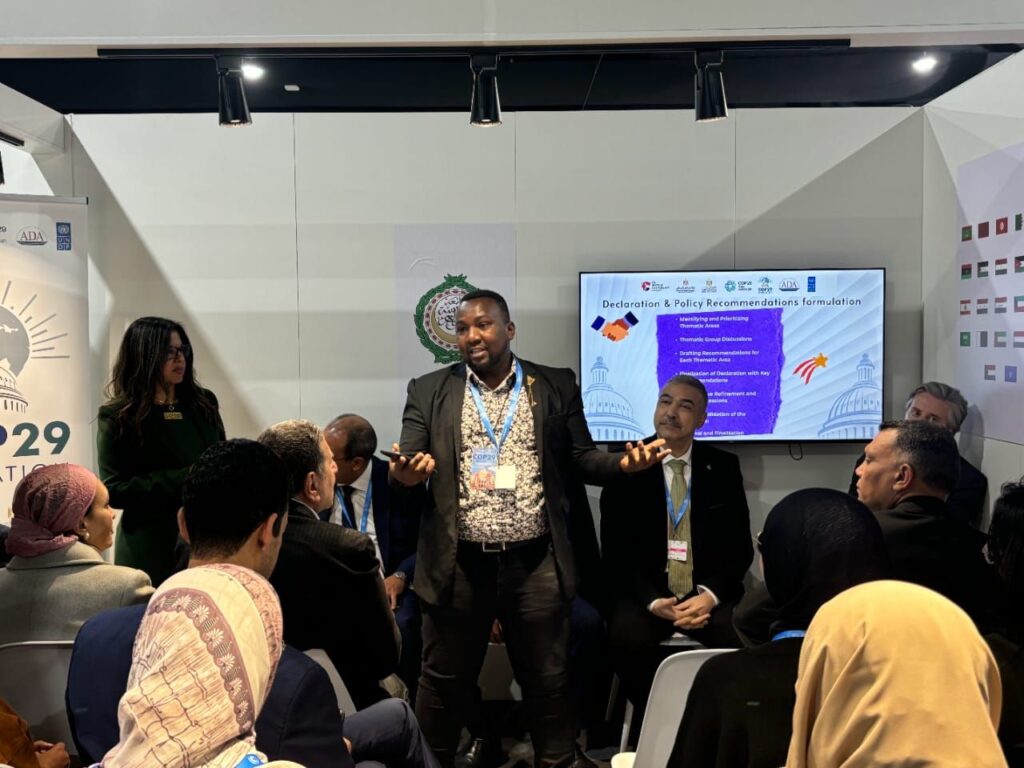
COP29 in Baku, Azerbaijan, has concluded, marking critical advancements in climate finance that pave a vital pathway towards a more sustainable future. As global leaders, negotiators, and climate advocates came together, discussions on climate finance emerged as a cornerstone in our collective pursuit of climate resilience.
Among the most notable outcomes of COP29 was the reaffirmation of the commitment to mobilizing $100 billion annually, as outlined in the Paris Agreement. This pledge not only serves as a financial target but is also a rallying cry for developed nations to assume their role as stewards of global climate action. “This commitment is vital for supporting vulnerable nations in their fight against climate change,” asserted Mohamed Adow, the lead negotiator during the closing session, highlighting the urgent need for equitable financial support.
The discussions revealed a wave of innovative financial mechanisms designed to enhance access to resources. Key proposals included the creation of climate-focused investment funds and risk-sharing initiatives aimed at catalyzing private sector investments in renewable energy and adaptation strategies. “Financial innovation is key to unlocking the potential of green technology,” emphasized Dr. Rachel Kyte, an expert from the private sector, illustrating the multifaceted approach necessary to drive sustainable investment.
A central theme at COP29 was the imperative to ensure that climate finance reaches the most vulnerable communities. The approved mechanisms for direct fund allocation to grassroots organizations are intended to empower local adaptation efforts, ensuring the voices of those on the frontlines of climate change are recognized and supported. “Local solutions are essential for building resilience,” remarked Alok Sharma, a representative from an indigenous community, underscoring the importance of community-led initiatives.
In a significant display of collaboration, novel partnerships were established among governments, NGOs, and the private sector. These alliances aim to facilitate knowledge sharing and resource mobilization, thereby enhancing the impact of climate finance. “Together, we can create a stronger, more united front against climate change,” asserted Greta Thunberg, a keynote speaker, emphasizing the strength found in diverse collaborations.
As we reflect on the outcomes of COP29 and the commitments made regarding climate finance, the responsibility now falls on all of us. The task is not merely to secure these financial pledges but to translate them into meaningful actions that yield tangible benefits for communities worldwide. “We must hold ourselves accountable for the promises made,” urged Dr. David Suzuki, an environmental leader in the closing remarks, serving as a powerful reminder of the work that lies ahead.
COP29 has established an ambitious agenda for climate finance, demanding unwavering commitment and collaboration. As we look forward, let us utilize the momentum gained in Baku to drive innovative solutions, support vulnerable communities, and build resilient futures across the globe. The path to climate justice is long, but together, we can make significant strides toward a sustainable world.